
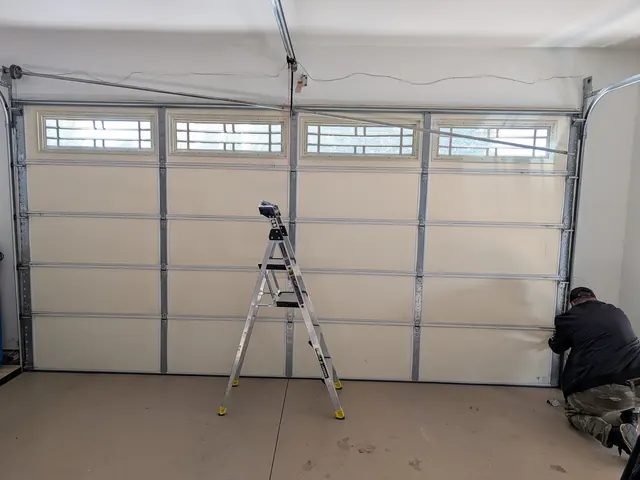
Why the garage door matters when a hurricane hits
FEMA’s guidance on wall openings counts the garage door among the biggest openings in a home. In a strong blow, wind can shove it inward, drag it outward or wrench it sideways off its tracks. When the door fails, the storm gets inside.
Miami-Dade and Broward together make up the High-Velocity Hurricane Zone (HVHZ) of the Florida Building Code. Doors here need an approval for that zone, either a state product approval or a Notice of Acceptance (NOA) issued by Miami-Dade County. Each NOA spells out the wind pressures a door was approved to withstand, called design pressures, and it carries an expiration date.
That approval describes the door as it was built. Loose hinge bolts, worn rollers, a bent track or a tired spring are weak spots it never planned for. A pre-season visit can’t change a door’s rating, but it can put the door back in the shape it was made to be in. A higher rating takes a different door: see hurricane impact garage doors.
What our pre-season storm check covers
We go over every part that keeps the door in its tracks and holds it shut:
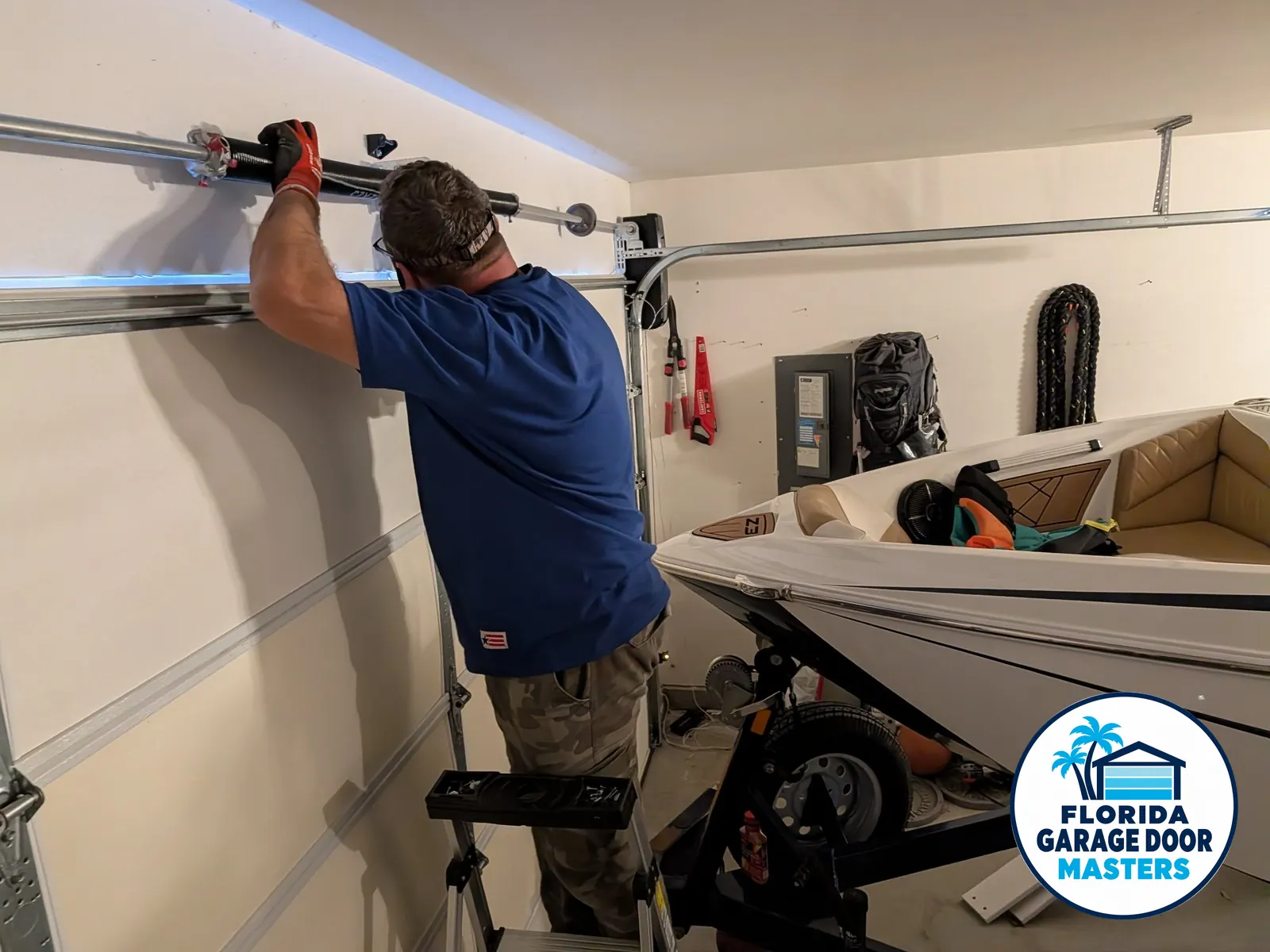
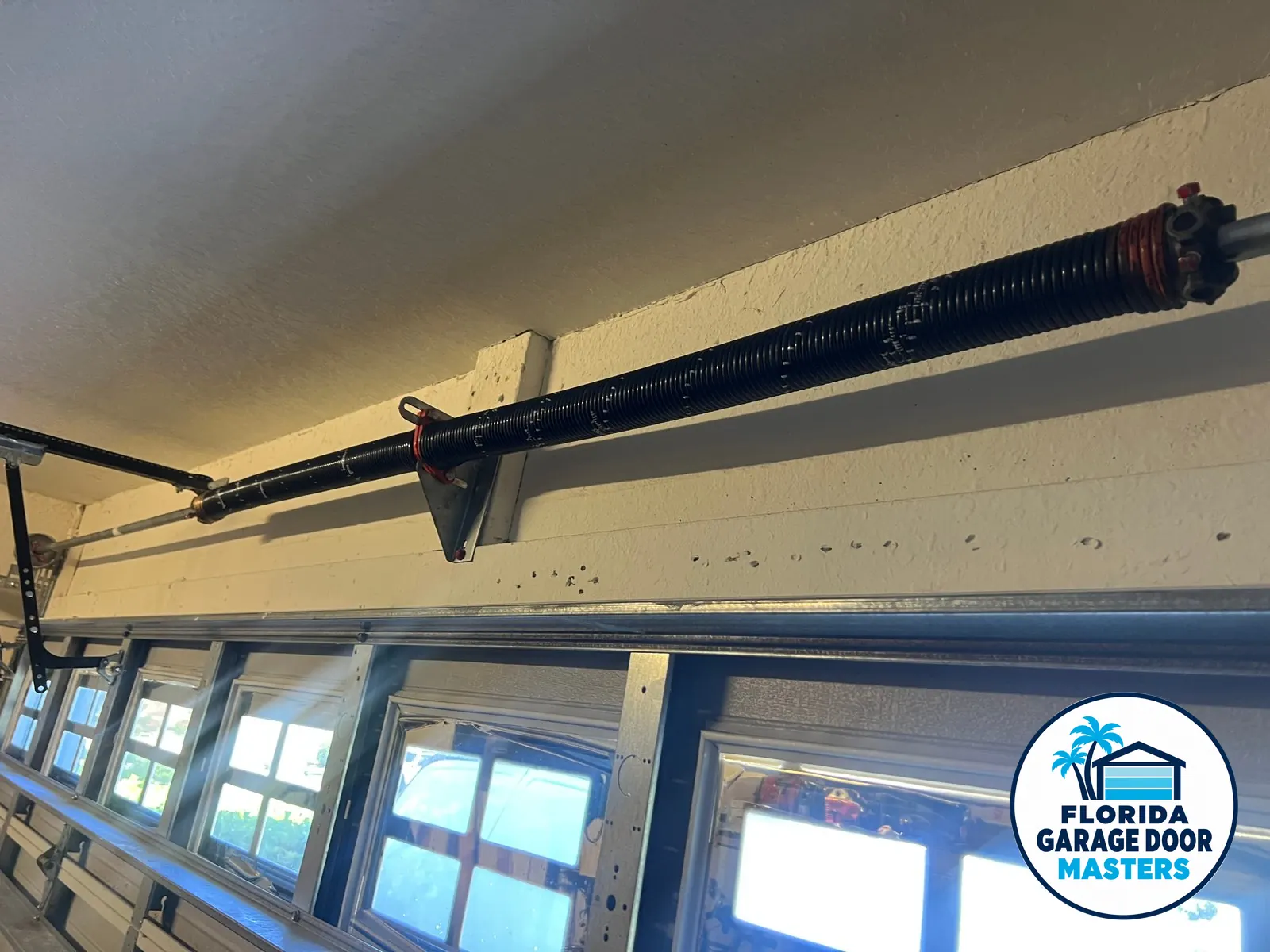
- Springs and lift cables, for wear, rust and fraying, plus a test of the door’s balance
- Rollers and hinges, so the door rides firmly in its tracks
- Tracks and their brackets, for bends, loose bolts and alignment
- Bolts and fasteners across the door and the frame, tightened where vibration loosened them
- Struts already on the door (the horizontal metal bars across the sections), for loose or missing fasteners
- Seals at the bottom, the sides and the top, which keep wind-driven rain out
- The red emergency release cord, so the door can be opened by hand during a power cut
- The opener’s battery backup, if it has one
If something is worn, we explain the repair and the price before doing it. A door checked in April or May goes into the season with tight hardware and a known balance. Our hurricane season checklist lists what you can look at yourself between visits.
After a storm, look before you press the button
Once the storm has passed, look at the door before running it. From inside the garage, check whether it sits straight in its tracks, whether any section is bowed or dented, and whether a track is bent or pulled away from the wall. Look for slack cables at the bottom corners.
If anything looks off, leave the opener alone. Running a bent or jammed door can tear it further out of its tracks, snap a cable or strip the opener’s gears. If water got into the garage, keep the opener unplugged until the outlet and the wall button are dry.
The red release cord is for a closed door only. With the door up and a cable or spring damaged, the opener is what holds it, so leave the cord alone and call us.
Fixing the parts a storm knocks loose
Much storm damage lands on the moving parts, and those we repair. Think bent or loosened tracks (see garage door track repair), rollers that jumped out, cracked hinges and cables off their drums. Opener parts take hits too: the safety sensors, the trolley, the wall button. A door knocked out of its tracks is set back, the cause is fixed, and the door is balanced and tested.
Wet weather is hard on seals too. A bottom seal torn by debris or pushed out of its channel lets water in with the next downpour; see weather seal repair.
A door stuck open or unable to close after a storm is urgent, because the garage can’t be secured. Call us, and see emergency garage door repair for what to do in the meantime.
When storm damage goes past a repair
Some damage no repair can undo: panels that buckled or split, sections pushed in by the wind, a door torn from its frame. Then we tell you plainly and can price a replacement, either a new garage door or an impact-rated one. It needs a permit from your city or, in unincorporated areas, from Miami-Dade County, and we help with the permit paperwork.
Any door that goes in must be approved for the HVHZ, through a county NOA or through the state’s own approval. What a Miami-Dade NOA means is covered on its own page. Whichever way you go, you get a plain answer first, so you can decide with the facts in hand.
We do pre-season checks and storm repairs across Miami-Dade and Broward. Homes in Miami Beach, North Miami Beach and bayside Coral Gables get salt spray on top of the wind. Inland homes in Broward's Miramar and Pembroke Pines face the same wind and rain without the salt, and Miami has streets of both kinds.
How it works
- Book early in the yearCall or book online well before the season. We call back to set a time for the check.
- Every moving part checkedSprings, cables, rollers, hinges, tracks, seals and the opener get a close look, and we test the balance.
- Tighten and repairLoose hardware is tightened on the spot, and any worn part is explained and priced before it is repaired.
- Call us after a stormIf the door took a hit, keep the opener off and call. We repair what can be repaired and tell you plainly what can’t.