
What an HOA can say about your garage door
A homeowners' association, or HOA, keeps an eye on what homes look like from the outside, and a garage door takes up a big share of the front of most houses. What the HOA can actually review depends on the wording of the community's declaration of covenants and its published guidelines. Typical topics are the things a neighbor can see: color, style, and whether the door has windows.
Florida's rules for these communities sit in Chapter 720 of the Florida Statutes, which deals with homeowners' associations only. Condominiums are covered elsewhere in state law; the last question below explains what that means for condo owners.
Before anything about the door changes, the first move is the same in every community: read the rules that apply to your lot, or ask the management office to point you to them.
Reinforced garage doors and Florida law
The part of Chapter 720 that matters here is section 720.3035(6), on hurricane protection in HOA communities. It names reinforced garage doors among the kinds of hurricane protection it covers, alongside items such as storm shutters and impact-resistant windows and doors.
The law asks each HOA board to adopt hurricane protection specifications. Those specifications can cover details such as color and style, and they have to follow the building code. Once they exist, the HOA may not deny an application that conforms to them.
The owner's side has a limit too. The HOA may still hold you to the community's existing unified building scheme, meaning the outside appearance the homes share. This is a summary in everyday words, not legal advice; your HOA's documents and the statute itself are what count.
Where a repair fits under HOA rules
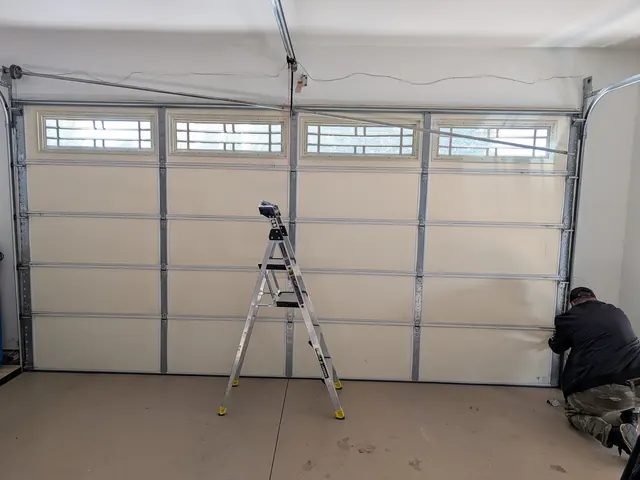
Nearly everything we repair lives inside the garage: torsion and extension springs, lift cables and their drums, rollers, hinges, tracks, the opener and its safety sensors. None of that changes how the door looks to someone walking past. When a visible part needs work, such as the rubber seal along the bottom, we match what was there.
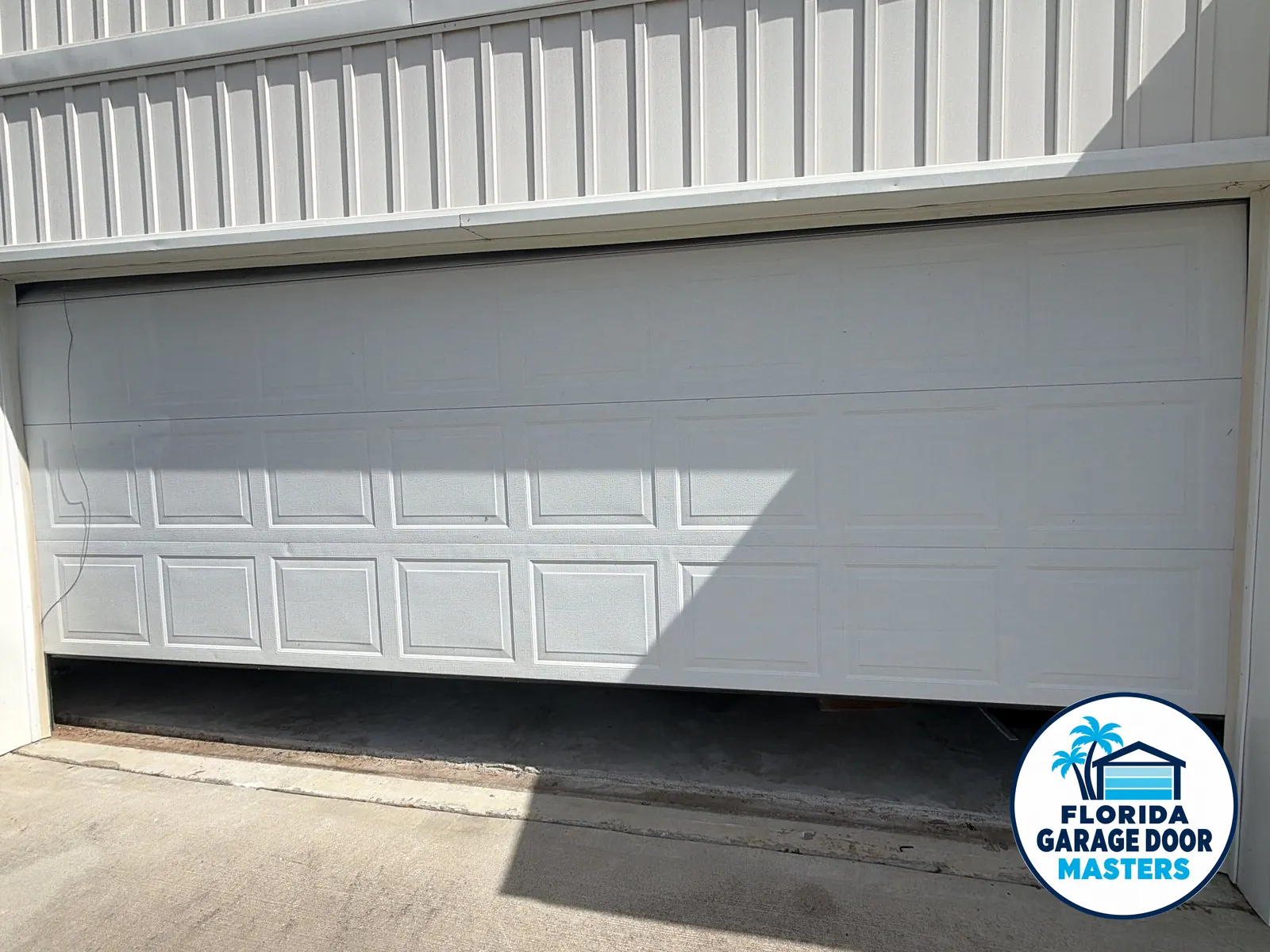
A repair doesn't alter the panels, the color or the style of the door, which is usually the least complicated place to be with an HOA. Still, if your community asks owners for notice even before repairs, follow that rule.
Our garage door repair page walks through the repairs we offer, from broken springs and loose cables to openers that stopped responding.
Before you change anything about the door
If you are weighing a different door, start with the HOA. Ask for its architectural review process and its hurricane protection specifications, and get its answer in writing.
Once the HOA has signed off, we can install the new door. The permit comes from your city's building department, or from Miami-Dade County if your home sits in an unincorporated area, and we help with the paperwork.
The door also needs product approval for this zone, meaning the county's Notice of Acceptance or the state's own approval, since this county and Broward form the code's High-Velocity Hurricane Zone. Our answer on the Miami-Dade NOA covers that approval. Coral Gables adds a step of its own: the city's Board of Architects looks at exterior changes before a permit, so check with the city whether a different door needs that review.
When your door is no longer worth repairing, we tell you so, and we can bring a model that fits the HOA's specifications; our new garage door installation page has the details.
Storm season in an HOA community
The hurricane season lasts from June 1 to November 30. A check before then keeps the door you have in working order without touching anything the HOA reviews: springs, cables, rollers, track, hinges, the struts already fastened to the door, and the seals.
Our hurricane prep and storm repair visit covers that pre-season check and the repairs after a storm. If your street in Pembroke Pines, Miami Lakes or Doral has an HOA, the steps above apply to anything beyond a repair. Contact us to book a visit.